
Clear Aligners: Why Professional Oversight Matters
From Glen Dental Center’s patient education archive. Meet our dental team.
General dental information, not a diagnosis or personal treatment plan. Older articles may refer to past offers, pricing or techniques. Ask your dentist about advice appropriate for you.
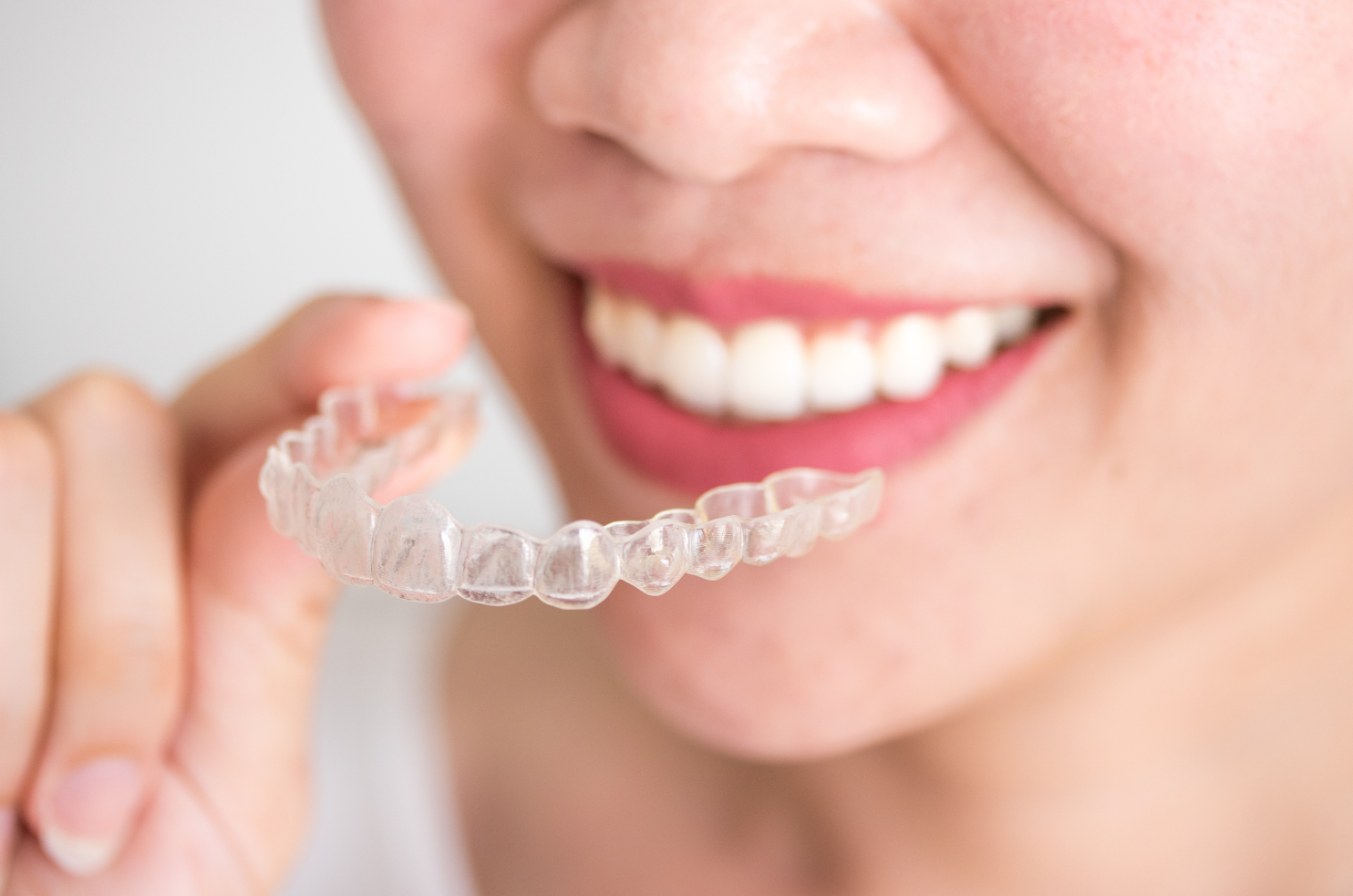
Clear aligners can straighten teeth, but choosing treatment involves more than ordering trays. An examination, a plan for your bite and access to follow-up care help determine whether tooth movement is appropriate. Invisalign® is one aligner system; a brand name alone does not establish suitability or guarantee a result.
Start with the health of your teeth and gums
Before recommending orthodontic treatment, a dentist needs to understand your oral health and the problem you want to address. Teeth that look slightly crowded in a photo may also have decay, gum concerns or bite issues that are not visible from the outside.
An assessment may include a health history, an examination and imaging or other records when appropriate. Ask what those records show and whether other dental care should come first. Healthy supporting tissues matter when planning tooth movement.
Your bite matters as much as a straighter appearance
Orthodontics can change how teeth meet as well as how they look. A useful treatment discussion explains which movements are planned, what is expected to improve and what the approach cannot address.
Clear aligners suit some situations, while braces, other care or specialist referral may be more appropriate for others. Ask why an option is recommended for your case rather than assuming removable trays are always faster, easier or more comfortable.
Know who will monitor your treatment
Before beginning any aligner program, identify the clinician responsible for your assessment, treatment plan and follow-up. Ask how appointments are arranged and how to obtain help if a tray does not fit or a tooth becomes uncomfortable.
Home photographs can be useful in some forms of communication, but they do not replace every part of an examination. The important distinction is the quality of clinical assessment and ongoing care—not simply whether a product is purchased online or carries a particular name.
- Who assesses my teeth, gums and bite before treatment?
- What visits or records will be used to monitor progress?
- What should I do about a lost tray, poor fit, pain or an unexpected bite change?
- What is included in the estimate, and could refinements or additional care cost more?
Wear and cleaning are part of the commitment
Aligners work only when used according to the prescribed plan. Follow your clinician's wear and tray-change instructions rather than a timetable from another person's experience. Remove them for meals and clean your teeth and aligners as directed.
Brushing twice daily with fluoride toothpaste and cleaning between teeth remain important during orthodontic care. Removable trays do not eliminate the possibility of cavities or gum inflammation. Keep the follow-up schedule agreed with your dental team.
Understand discomfort, risks and treatment limits
Temporary pressure can occur with tooth movement, but persistent pain or an aligner that will not seat properly deserves advice. Do not force a tray into place, skip ahead or change the schedule on your own. Contact the treating clinician about unexpected symptoms.
Every orthodontic approach has limitations and possible complications. Your clinician should explain relevant risks, alternatives, likely timing and the option of not proceeding. Professional supervision supports informed decisions and monitoring; it does not make treatment risk-free.
Plan for retainers before the final tray
Keeping teeth in their new positions is part of treatment planning. Ask what type of retainer is recommended, how long and how often to wear it, how to clean it and what replacement may cost. Teeth can move after active treatment, so finishing the aligners is not the end of long-term care.
Questions about clear aligners
Are clear aligners always quicker than braces?
No. The required movements, bite, oral health and adherence to the plan influence timing. A personalized estimate is more useful than a universal claim about one system.
Can a smile photograph confirm that I am a candidate?
A photograph alone cannot establish every aspect of dental health or bite function. Ask which examination and records are needed before a treatment recommendation.
What if I already have aligners but something feels wrong?
Contact the clinician responsible for treatment and describe the symptoms and tray involved. Do not continue advancing trays without advice if you have persistent pain, poor fit or a new problem with your bite.
Discuss your options in Glenview
Glen Dental Center can discuss your alignment concerns and the appropriate next steps with Dr. Jeffrey Gilmor or Dr. Verena Phillips. Call (847) 486-1222 to ask about an assessment. A consultation is an opportunity to understand your choices, not a commitment to a particular system.
Sources and further reading
Patient information from the American Dental Association, consulted November 11, 2026. These sources inform the general education above; they do not constitute a review or endorsement of this article.
